Nickel Alloy 400
UNS: N04400 | W. Nr: 2.4360 | EN: NiCu30Fe

Alloy 400, also known as Monel® 400, is a nickel-copper alloy (approx. 67% Ni, 23% Cu) renowned for its excellent resistance to a wide range of corrosive environments. It performs exceptionally well in marine and chemical processing applications, particularly in non-oxidizing chloride solutions and acidic conditions. With high toughness and good mechanical properties across a broad temperature range, Alloy 400 is a preferred material for demanding industrial environments.
Alloy 400 was one of the first nickel alloys, its history dating back to the original nickel-copper ore mined in Canada in the late nineteenth century. The composition of the original ore is roughly what the chemistry for Alloy 400 is today.
As with commercially pure nickel, Alloy 400 is low in strength in the annealed condition and is consequently offered in a variety of tempers, which increase the strength of the material.
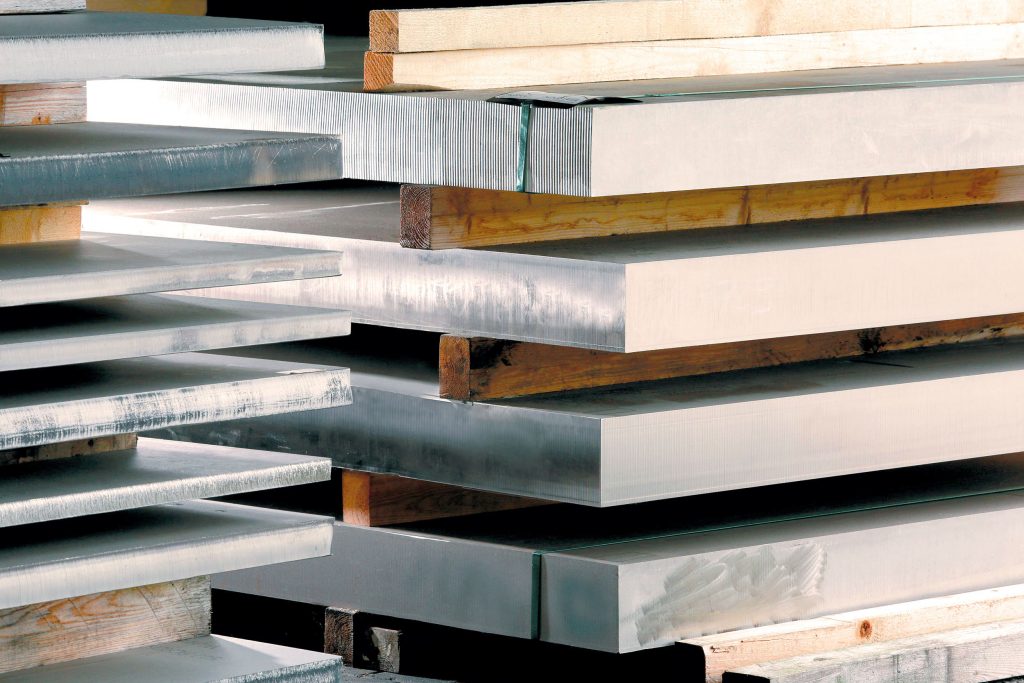
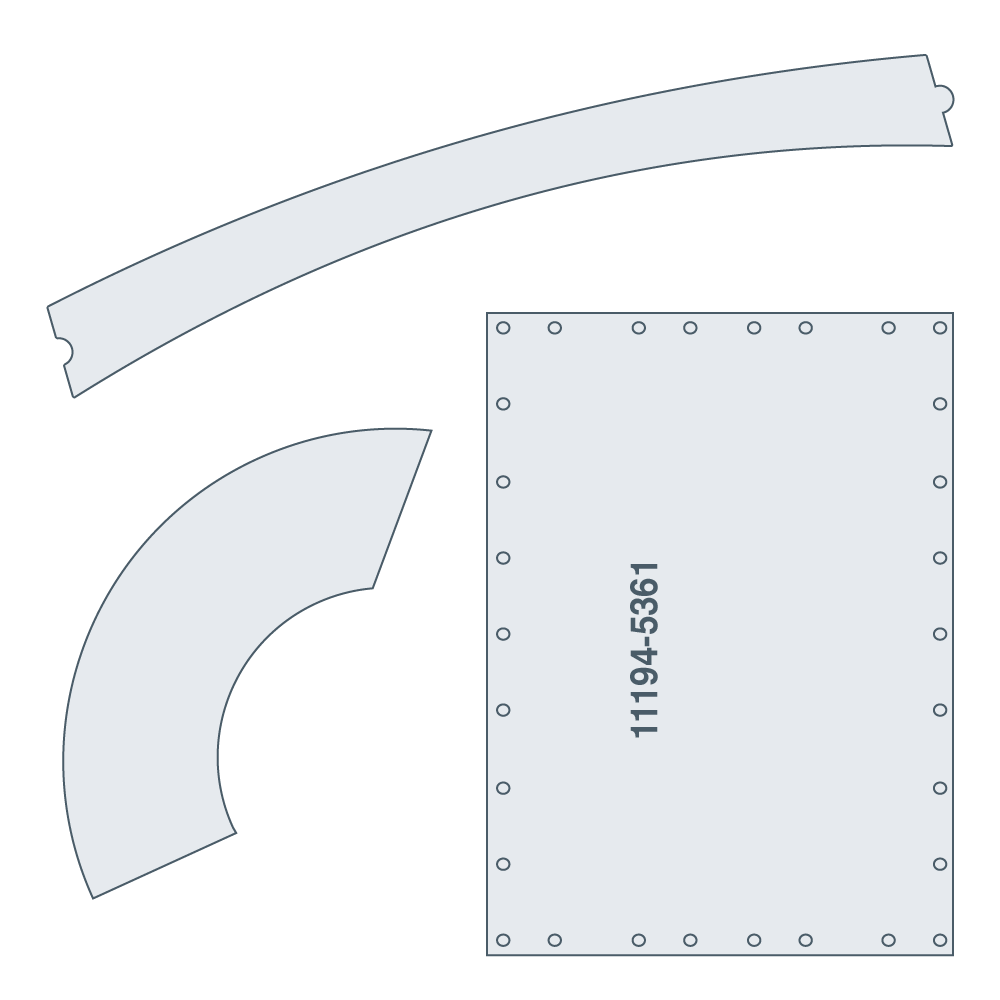
At JACQUET, Alloy 400 plate is stocked, traceable, and available for same‑day cutting using waterjet, plasma, and laser.
Key Features
- Seawater & Steam Resistance: Outstanding resistance at high temperatures.
- Acid Performance: Excellent resistance to sulfuric and hydrofluoric acids.
- Stress-Corrosion Resistance: Reliable in most freshwaters.
- Strength & Toughness: Maintains high performance from sub-zero to elevated temperatures.
- Alkali & Salt Protection: Superior resistance to alkalis and neutral salt solutions.
Industries and Applications
- Oil & Gas: Sour-gas resistant components, offshore platforms, pressure vessels
- Chemical Processing: Heat exchangers, brine heaters, evaporators, alkylation units
- Marine: Impellers, pump shafts, splash zone linings, seawater systems
- Pulp & Paper: Digesters, bleach washers
- Structural: Components exposed to harsh environments
- Nuclear Applications: Steam generator tubes, feedwater systems
Heat Treatment Capabilities
- Supplied in annealed condition for maximum corrosion resistance
- Annealing temperature: ~1,600°F (870°C) followed by rapid cooling
- Cannot be hardened by heat treatment; strength achieved through cold working
- Excellent weldability with no need for post-weld heat treatment
Corrosion resistance
Alloy 400 exhibits resistance to corrosion by many reducing media. It is also generally more resistant to attack by oxidizing media than higher copper alloys. This versatility makes Alloy 400 suitable for service in a variety of environments.
Alloy 400 does not perform well in highly oxidizing acids such as nitric or nitrous acids. In such environments, high chromium stainless steels should be considered.
In moderately reducing acids, neutral or alkaline solutions, Alloy 400 may be considered for use. The alloy is resistant to most alkalies, salts, organic substances, and atmospheric conditions. The alloy is a consideration for cooler alkaline caustic conditions, although high temperature, high stress, and high concentrations of caustic have produced caustic stress corrosion cracking in the material. Alloy 400 is used in reducing acids such as sulfuric and hydrochloric, especially in the absence of aeration and oxidizing species.
Alloy 400 is exceptionally resistant to chloride stress corrosion cracking.
Monel® 400 vs 316L Stainless Steel: Which One Should You Use?
Engineers often compare Alloy 400 vs 316L when selecting corrosion‑resistant materials. Here is a clear, useful comparison to help buyers choose the correct grade.
Corrosion Resistance
| Environment | Alloy 400 | 316L Stainless Steel |
|---|---|---|
| Seawater | Excellent (no SCC) | Prone to pitting & crevice corrosion |
| HF acid | Strong resistance | Not suitable |
| Chlorides / Brine | Highly resistant | Risk of chloride cracking |
| Acids (general) | Good for HF & HCl | Good for nitric, not for HF |
| Alkalis / Caustics | Excellent | Moderate |
Temperature Resistance
- Alloy 400: Up to ~1000°F (538°C)
- 316L: Up to ~1600°F (870°C), but with chloride limitations
Mechanical Properties
Alloy 400 typically offers higher strength and better toughness, especially at low temperatures.
Conclusion
Use Alloy 400 for:
HF acid, seawater systems, brine, corrosive salts, caustics, marine engineering, offshore oil & gas.
Use 316L for:
General corrosion resistance in mild acids, food processing, pharmaceutical, tanks, piping, heat exchangers (non‑chloride).
Request a Quote – Alloy 400 Plate and Bar, Cut to Size
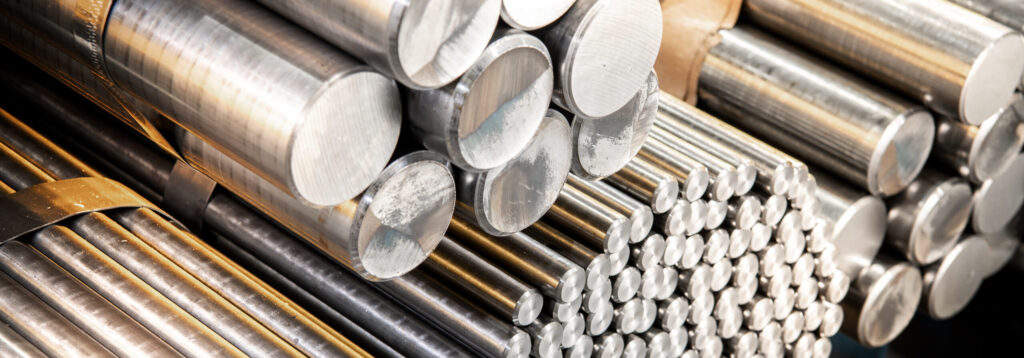
JACQUET supplies Alloy 400 plates and bars in stock, cut to your exact dimensions with fast delivery across the US. Request a quote today or contact your nearest JACQUET location for availability.
CONTACT USAvailable Forms